Server Setup and Structure Planning Discord

Server Setup and Structure Planning

• Configure server structure based on project goals
• Set up roles, permissions, and access levels
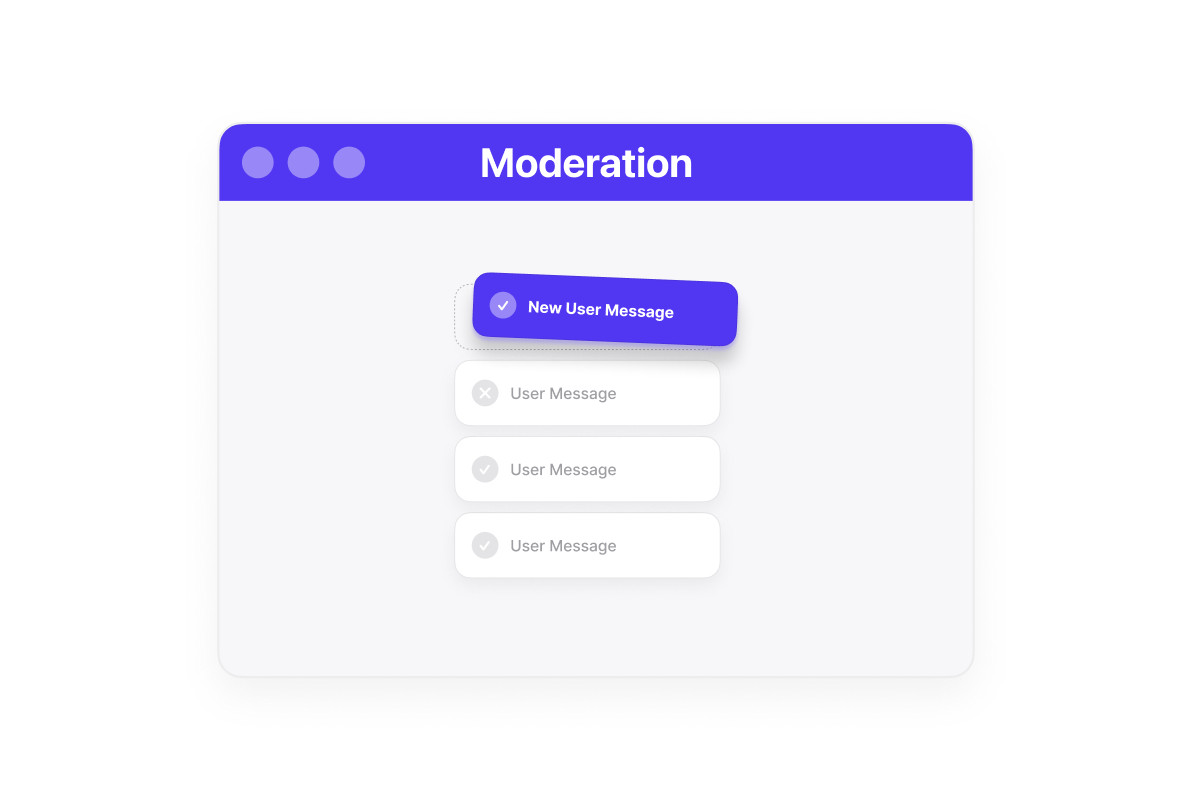
• Organize channels for content, support, and discussion
• Implement onboarding flows and moderation tools

Daily Management and Moderation Discord

Daily Management and Moderation

• Moderate conversations to maintain community guidelines
• Review and resolve reports, spam, and policy issues
• Support daily discussions and member interactions
• Maintain a safe and consistent communication environment

Content and Communication Discord

Content and Communication

• Plan and publish regular content inside the server
• Manage announcements, updates, and pinned messages
• Support discussion prompts and engagement activities
• Align server communication with brand tone and goals

Events, Activities, and Community Engagement Discord

Events, Activities, and Community Engagement

• Plan and run community events and activities
• Coordinate AMAs, live sessions, and discussions
• Support collaborations with creators or partners
• Encourage participation through structured interactions

The Latest Insights on Emerging Trends and Innovations

Russian Digital Market Overview

Russian Digital Market Overview

The Current Ecosystem of the Russian Digital Market, including statistics, popular marketing tools, and media channels

Russian-speaking Influencer Marketing Overview

Russian-speaking Influencer Marketing Overview

Further insights and trends in the Influencer Industry within Russia & the CIS

We Work Closely with Brands and Companies While Also Collaborating with Advertising and Media Agencies

Other Similar Services by RMAA

FAQ: Discord Community Management in Russia and the CIS

Discord is a multifunctional platform for voice and text communication, popular for creating interest-based communities. In Russia, it is a key tool for building deep, loyal, and manageable communities, especially given the growing demand for private and direct communication channels with the audience.

Amid restrictions on major Western platforms and the shift in advertising budgets, Discord offers an alternative - a controlled space for direct dialogue with a loyal audience. This aligns with the trend of enhancing interaction outside of traditional social networks.

Main goals include: creating a loyal audience core, deepening engagement, testing products and ideas, providing direct customer support, and building sustainable brand reputation through trust-based relationships.

Discord offers a higher degree of structure (channels, roles, permissions), making it ideal for complex hierarchical communities. The focus is on real-time voice/text interaction rather than a content feed, which fosters deeper engagement.

The primary TA includes tech-savvy users, gamers, IT professionals, and members of niche hobby communities. However, the platform's audience is expanding to include professional and educational communities.

Principles include: clear structure and rules, regular activity and moderation, creation of valuable exclusive content, encouragement of user activity, and fostering a sense of belonging among participants.

Yes, through bots and API, Discord can be integrated with various services for automation: for example, publishing content from other sources, conducting authentication, or linking with CRM systems to improve customer experience.

Key metrics include: member activity (messages, time spent in voice channels), growth in participant numbers, event engagement, conversion to target actions (website visits, purchases), and audience retention rate.

Tasks include: monitoring chats for rule compliance, removing spam and insults, responding to user reports, resolving conflicts, encouraging constructive discussions, and maintaining a friendly atmosphere.

Clear rules, immediate warning, followed by a ban for violations. This approach aligns with the global platform trend of creating a safe environment and is already actively used, for example, on Telegram.

Bots with anti-spam functions, keyword filtering, automatic timeouts (mute), and kick/ban capabilities. Systems for automatic role assignment for rule violations are also useful.

Moderators and managers maintain activity by asking questions, initiating mini-discussions, reacting to user messages, and conducting regular small activities (e.g., "question of the day").

AI tools assist in the primary analysis of message sentiment, detection of spam patterns, and toxic behavior, allowing moderators to focus on complex cases and strategic tasks.

Yes, maintaining logs (journals) of key incidents, decisions, and bans is important for transparency, training new moderators, and analyzing recurring problems in the community.

Effectiveness can be assessed by a reduction in the number of user complaints, speed of response to incidents, the overall tone of communication in the community, and participant feedback on the comfort of the environment.

Exclusive content (pre-release announcements, behind-the-scenes), interactive formats (polls, votes), educational materials (guides, AMA sessions), and user-generated content (UGC) that the brand curates and encourages.

The calendar is built around key brand, product, and community events. It's important to alternate formats, leave days for spontaneous communication, and consider audience activity by time of day.

The tone should align with the brand but be more human, informal, and conversational than on classic social networks. The use of memes, GIFs, and emojis is acceptable to create an emotional connection.

Announcements are published in a dedicated channel. The most important announcements are pinned at the top of the relevant channel. There shouldn't be too many pinned messages to avoid cluttering the space.

Through contests, themed weeks, creating a special channel to showcase user work, public gratitude, and rewarding the best authors with special roles or prizes.

AMA is organized in a text or voice channel. The guest answers questions in real-time. This is a powerful tool for building trust and creating unique educational content.

Discord should be a source of exclusivity and depth, complementing more mass channels. Key messages and campaigns should be synchronized, with Discord providing elaboration and detail.

Yes, if they are structured and provide unique value (e.g., technical specs, detailed guides). However, it's better to break them into parts or use spoiler tags to avoid overwhelming the chat.

Try to avoid this. The philosophy of Discord is to provide answers "here and now." The exception is cases requiring the transfer of personal data; then it's appropriate to move the dialogue to private messages with an employee.

Through engagement metrics: number of reactions (emoji), replies in the thread, mentions in other channels. Direct polls and feedback from active participants are also useful.

Voice AMA sessions, interactive workshops or masterclasses, joint viewing of presentations or streams, gaming tournaments (for relevant brands), thematic quizzes.

Create a separate event channel, post an announcement with a clear date, format, and guests, and pin it. Use bots for reminders. Conduct preliminary question collection for guests to generate interest.

Clearly agree on the topic, format, duration, and rules with them. Provide technical support and conduct a briefing on the Discord interface. Announce their participation in advance to attract their audience.

Stage Channel is a special format where only speakers talk, and others listen. It's important to assign Stage Moderators who will manage the question queue from the audience and monitor technical quality.

Through exclusivity (access only for server members), distribution of unique content or digital prizes during the stream, the opportunity for personal interaction with the expert, and early access to new products.

Yes. Discord can serve as a platform for streaming an offline event online, as well as a place for continued communication and networking afterward, uniting both audiences.

Create study groups, conduct regular lectures and workshops, assign homework in special channels, organize peer-to-peer work reviews. This aligns with the trend of growing educational projects.

Organize joint events, cross-promotions, and temporary shared channels for discussing a common topic. This helps expand the audience and bring fresh ideas into the community.

By the number of participants in the voice channel/views, chat activity during the event, number of questions asked, post-event feedback (reactions, polls), and the growth of new server members after the announcement.

Conduct small regular activities: "Friday" voice chats, weekly contests, industry news discussions, challenges. The key is to maintain rhythm and provide reasons to return to the server.