Twitch as a Live Promotion Channel in Russia and the CIS

Image
Frame 2147206255

Live Attention (Not Background Media)

Live streams keep users watching in real time, which creates stronger attention and higher message retention compared to short-scroll or background formats.

Image
Frame 2147206305

High Engagement and Long Sessions

Twitch sessions are long, with constant interaction through chat and reactions, making campaigns feel active and present rather than passive.

Image
3

Community-Led Consumption

Audiences follow creators and communities, not just content. This supports trust, repeat exposure, and consistent visibility through recurring streams.

Image
3 0

Integrated Format Mix

Twitch combines managed media placements, interactive units, and streamer integrations, allowing campaigns to balance control with native delivery.

Image
3 1

Beyond Gaming Categories

Twitch is suitable for tech, fintech, retail, FMCG, entertainment, and automotive when messaging is adapted to live storytelling and community context.

Image
3 2

Measurable Delivery in Live Environments

Campaigns follow clear delivery logic and can be tracked through platform metrics and engagement signals, supporting reporting and optimisation across markets.

Promotion Formats on Twitch

Media Placements (CPM-Based Formats)

Managed media placements inside live streams designed to deliver predictable reach and sustained visibility during real-time viewing. These formats provide controlled brand exposure within live content, allowing campaigns to reach engaged audiences while maintaining clear placement logic, frequency control, and brand-safe positioning throughout the stream.

Interactive Ad Formats

Engagement-focused formats designed to encourage real-time interaction during live streams without disrupting the viewing experience. These formats allow brands to involve audiences through interactive elements and on-screen mechanics, supporting active participation while keeping the stream flow natural and uninterrupted.

Streamer Integrations & Sponsored Streams

Native brand integrations built directly into live content through selected streamers and community-driven scenarios. These formats rely on creator-led delivery and real-time storytelling, allowing brand messages to be introduced naturally within the stream while aligning with the creator’s style, audience expectations, and ongoing live interaction.

What We Do

  • Plan and manage CPM-based Twitch placements across selected streams
  • Control delivery, frequency, and placement logic
  • Align media formats with campaign objectives and audience behaviour

Formats

  • Overlay placements visible during live streams
  • In-stream display units integrated into the player interface
  • Live data formats with dynamic creative elements
  • High-viewability placements that cannot be skipped

Why it Works

  • Ensures stable delivery during active viewing sessions
  • Provides full viewability in live environments
  • Supports brand-safe placements and predictable reach
  • Works well for awareness and consideration campaigns

What We Do

  • Design interactive mechanics adapted to live streams
  • Connect brand messages with real-time user actions
  • Integrate engagement formats into stream flow

Formats

  • Interactive overlays with polls or clickable elements
  • Dynamic cards and carousels inside the stream interface
  • Gamified mechanics linked to chat activity
  • Engagement-driven units triggered during live moments

Why it Works

  • Drives higher engagement than passive video ads
  • Keeps users involved during long sessions
  • Improves message recall through interaction
  • Fits naturally into Twitch’s live consumption model

What We Do

  • Select streamers based on audience, content style, and brand fit
  • Develop integration scenarios aligned with stream themes
  • Coordinate branded content within live broadcasts

Formats

  • Sponsored mentions and product usage during streams
  • Dedicated branded streams or special episodes
  • Long-form integrations lasting 20–60 minutes
  • Scenario-based placements aligned with community tone

Why it Works

  • Builds trust through creator-led communication
  • Delivers repeated exposure during long live sessions
  • Enables flexible storytelling beyond standard ad units
  • Strengthens brand affinity and community connection

Twitch Audience in Russia

30 м+

Monthly Viewers

Combined Twitch audience across Russia and CIS countries watching streams on a monthly basis.

70 %+

Male Audience Share

The audience is predominantly male, driven by gaming, tech, and live interactive formats.

18–34

Core Age Segment

The most active and engaged group, including students, early professionals, and digital natives. Above-Average Income

Above-Average Income

The most active and engaged group, including students, early professionals, and digital natives. Above-Average Income

Tech, Finance, Business, Electronics

Audience shows strong affinity to technology-driven products, digital services, and performance-oriented brands.

Community-Led Viewing

Viewership is built around creators, recurring streams, and real-time interaction rather than passive content browsing.

The Latest Insights on Emerging Trends and Innovations

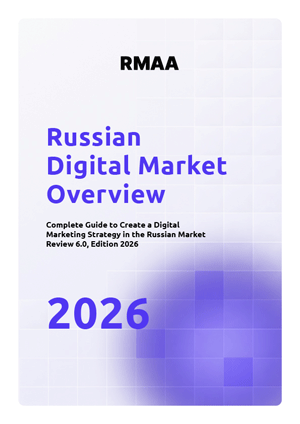
Russian Digital Market Overview

Russian Digital Market Overview

The Current Ecosystem of the Russian Digital Market, including statistics, popular marketing tools, and media channels

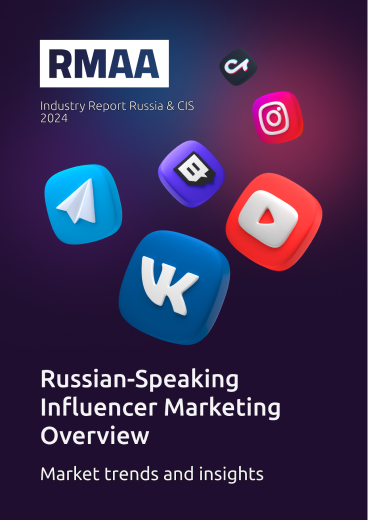
Russian-speaking Influencer Marketing Overview

Russian-speaking Influencer Marketing Overview

Further insights and trends in the Influencer Industry within Russia & the CIS

We Work Closely with Brands and Companies While Also Collaborating with Advertising and Media Agencies

Other Similar Services by RMAA

FAQ: Twitch Promotion in Russia and the CIS

Twitch is the world's leading live-streaming platform, originally focused on gaming but now covering entertainment, music, creative content, and talk shows. In Russia it is an important channel for engaging a loyal, tech-savvy audience that prefers interactive live video formats.

With restrictions on advertising in some Western social networks and limited monetization on other platforms, Twitch offers brands direct access to engaged audiences through live integrations, enabling authentic communication beyond traditional display formats.

In addition to gaming streams, popular categories include Just Chatting talk shows, IRL broadcasts, music and creative streams, and educational or entertainment formats, allowing brands to integrate content beyond the gaming niche.

Twitch is based on live broadcasting and real-time interaction. Viewers actively participate through chat, polls, and widgets, shaping the content during the stream and creating a strong community environment around the creator.

Video formats dominate the digital advertising market, and Twitch provides a native video environment where advertising integrations appear as part of the live show, increasing viewer attention and engagement compared to traditional pre-roll ads.

Streamers earn through donations, subscriptions, advertising integrations, affiliate programs with marketplaces, brand partnerships, merchandise sales, and participation in the platform’s partner program.

Streams can be connected with websites, VK communities, or Telegram channels via APIs and widgets. It is also common to integrate local payment systems for donations and display social media activity during the broadcast.

Key indicators include average concurrent viewers (CCV), total watch time, audience retention, chat activity, and the overall loyalty of the community rather than just follower numbers.

Twitch remains relevant due to its connection to global streaming culture. Growth is expected in non-gaming categories, expert streams, and educational broadcasts, as well as adaptation to local payment and partnership ecosystems.

Twitch supports several formats: pre-roll, mid-roll, and post-roll video ads, display banners on channel pages, sponsorship integrations within streams, branded widgets or extensions, and collaborations with creators through dedicated streams.

Video advertising often performs better due to high viewer engagement. Users actively choose streams, leading to higher completion rates, while native integrations inside broadcasts typically deliver the strongest impact.

Advertisers can target by content categories, interests, demographics, language, and location. However, the most accurate targeting is achieved by selecting streamers whose audience matches the brand’s target group.

Self-serve campaigns can be launched through Twitch’s advertising system. For large integrations or sponsorships, brands usually collaborate with agencies or directly with streamers to organize customized placements.

Twitch provides standard metrics such as impressions and view completion. Additional analysis uses UTM tags, third-party analytics tools, and tracking of conversions, promo codes, and traffic spikes during streams.

Pricing depends on the size of the streamer’s audience, the duration of the integration, and how naturally the brand appears in the stream. Native integrations with popular creators can cost as much as campaigns with major influencers.

An ad break is a scheduled interruption in the stream where video ads are shown. Audiences may perceive them negatively, so brands often complement them with native integrations that feel more natural to viewers.

Gaming, technology, electronics, food delivery, beverages, financial services for younger audiences, and educational platforms often perform well when campaigns are integrated naturally into stream content.

Yes, some Twitch inventory is available through programmatic buying via partner DSP platforms, allowing automated video ad placements and data-driven targeting.

The platform itself has no direct restrictions, but international payments and contracts may be more complex. As a result, agencies and intermediaries often help organize collaborations with streamers.

Twitch offers features such as channel points, predictions, interactive widgets, extensions, and live chat participation, allowing viewers to influence the stream and actively engage with the content.

Brands can create custom extensions, organize tournaments or multi-streamer events, or develop interactive challenges and competitions where viewers participate directly through the stream interface.

A sponsored stream is a broadcast built around a brand’s product or service. The streamer demonstrates or discusses the product during gameplay or conversation, often answering questions from viewers in real time.

Yes. Live lectures, masterclasses, and Q&A sessions with experts are increasingly popular, allowing brands to present knowledge, build authority, and interact with audiences in real time.

Brands can sponsor charity streams, match viewer donations, or provide prizes for giveaways. This approach strengthens brand reputation and encourages community participation in social initiatives.

Drops reward viewers for watching streams with digital items, promo codes, or discounts. Brands use them to increase watch time, encourage engagement, and promote products through exclusive offers.

Offline launches, tournaments, or presentations can be streamed live, with viewers participating through polls, chat questions, and digital activities, creating hybrid online-offline events.

Just Chatting discussions, music streams, creative content, cooking, sports training, and lifestyle broadcasts offer opportunities for brands outside the gaming sector.

The main audience consists of people aged 18–34, often tech-savvy and highly engaged in digital entertainment. Many viewers are gamers or active online communities who spend long periods watching live streams.

Yes. Categories such as Just Chatting, music, art, and lifestyle content attract broader demographics, including more women and viewers over 25 interested in interactive entertainment.

Many streams are watched on desktop devices, especially for gaming, but mobile viewing on smartphones and tablets is also widespread thanks to strong mobile internet penetration.

Engagement is extremely high. Viewers often watch streams for hours, participate in chat discussions, donate money, and interact with creators through various platform features.

The core audience includes young professionals and IT specialists who are willing to spend on subscriptions, gadgets, gaming software, and digital services. They often act as early adopters of new products.

Viewers appreciate authenticity, humor, expertise, and transparency. They usually reject intrusive advertising but respond positively to integrations that feel natural and entertaining.

The largest share of viewers comes from major cities, but the platform has nationwide reach thanks to widespread internet access. Local streamers reflecting regional culture can attract strong community loyalty.

Twitch viewers often communicate in Telegram chats, follow announcements on VK, and watch highlights on YouTube. Successful campaigns frequently combine several platforms around the live stream.

Yes. The audience is open to experimentation and frequently provides feedback during streams, making Twitch a valuable environment for launching pilot products or digital services.

Twitch collaborations occur live, allowing immediate interaction between the streamer and viewers. This creates highly authentic integrations that depend on the creator’s personality and ability to communicate naturally with the audience.

Long-term sponsorships, product integrations in regular streams, branded tournaments, and exclusive broadcasts dedicated to a product presentation are among the most effective formats.

Important criteria include average concurrent viewers, community loyalty, chat activity, content theme, and the streamer’s reputation, rather than simply the number of followers.

The market is expanding as brands shift budgets from traditional formats to native collaborations with video creators, following broader growth trends in influencer marketing.

Performance can be evaluated using engagement metrics, promo code redemptions, referral traffic, brand search growth, and direct conversions generated during or shortly after the stream.

Prices range from modest fees for micro-streamers with niche audiences to large sponsorship deals with top creators involving long-term partnerships and multi-stream campaigns.

Agencies help identify suitable creators, negotiate contracts, coordinate campaign concepts, organize integrations, and analyze results to ensure brand safety and effectiveness.

Contracts should specify advertising format, campaign duration, fees, labeling requirements under advertising law, content rights, and responsibilities of each party.

Yes. Streamers often participate in YouTube videos, social media campaigns, brand events, or promotional shoots, extending their influence beyond Twitch.

Long-term brand partnerships, collaborative campaigns with multiple creators, increased creative freedom for streamers, and growing participation of non-gaming influencers are expected to shape the market.